
The Art of Effective Communication in Everyday Life
Effective communication is a skill that transcends professional boundaries and seeps into our daily interactions. Whether you are conversing with a friend, negotiating a deal, or simply expressing your thoughts, the ability to communicate clearly and effectively can significantly impact your relationships and outcomes. In this blog post, we will explore the nuances of effective communication, its importance, and practical strategies to enhance your skills.
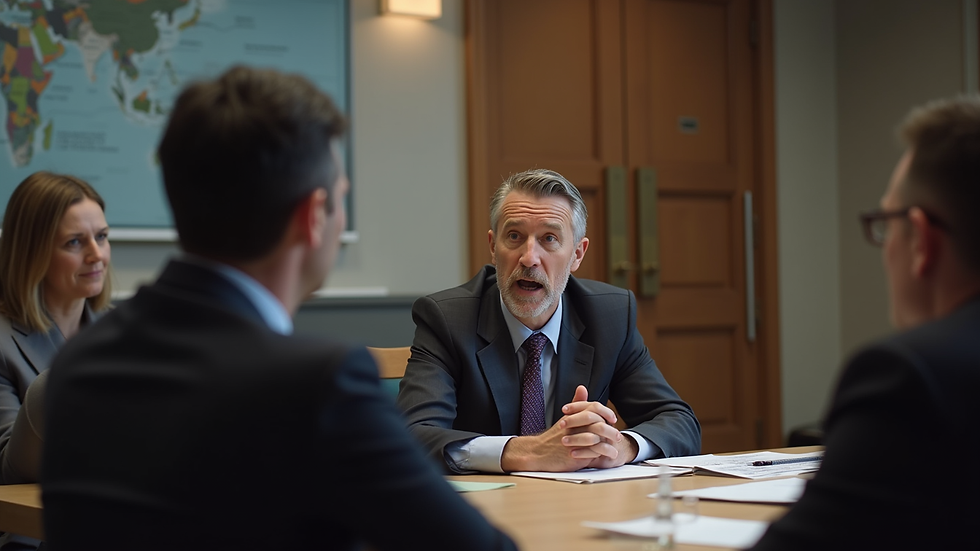
Understanding Effective Communication
Effective communication is more than just exchanging words. It involves understanding the emotions and intentions behind the message. Here are some key components that define effective communication:
Clarity: Ensure your message is clear and concise. Avoid jargon or complex language that might confuse the listener.
Active Listening: Pay attention to what others are saying. This not only shows respect but also helps you understand their perspective.
Non-verbal Cues: Body language, facial expressions, and tone of voice play a crucial role in how your message is received.
Empathy: Understanding and acknowledging the feelings of others can foster a deeper connection and facilitate better communication.
The Importance of Effective Communication
Effective communication is vital in various aspects of life. Here are some reasons why it matters:
Building Strong Relationships
Good communication is the foundation of any relationship. Whether personal or professional, being able to express your thoughts and feelings openly can strengthen bonds and foster trust. For instance, couples who communicate effectively are more likely to resolve conflicts and maintain a healthy relationship.
Enhancing Collaboration
In a team setting, effective communication can lead to improved collaboration. When team members share ideas and feedback openly, it encourages creativity and innovation. This is particularly important in workplaces where teamwork is essential for success.
Reducing Misunderstandings
Miscommunication can lead to conflicts and misunderstandings. By communicating clearly and actively listening, you can minimize the chances of misinterpretation. This is especially important in diverse environments where cultural differences may affect communication styles.
Boosting Confidence
When you communicate effectively, you are more likely to be perceived as confident and competent. This can open doors to new opportunities, whether in your career or personal life. People are more inclined to trust and respect those who express themselves clearly.
Practical Strategies for Effective Communication
Improving your communication skills takes practice and dedication. Here are some practical strategies you can implement:
1. Practice Active Listening
Active listening involves fully concentrating on the speaker, understanding their message, responding thoughtfully, and remembering key points. Here’s how to practice it:
Maintain Eye Contact: This shows you are engaged and interested.
Avoid Interrupting: Let the speaker finish their thoughts before responding.
Ask Questions: Clarify any points you don’t understand to ensure you grasp the message.
2. Be Clear and Concise
When conveying your message, aim for clarity. Here are some tips:
Organize Your Thoughts: Before speaking, take a moment to gather your ideas.
Use Simple Language: Avoid jargon or overly complex terms that may confuse the listener.
Get to the Point: Be direct and avoid unnecessary details that may dilute your message.
3. Pay Attention to Non-verbal Communication
Your body language can convey just as much as your words. Here’s what to keep in mind:
Posture: Stand or sit up straight to convey confidence.
Facial Expressions: Ensure your expressions match your message. A smile can make your communication more approachable.
Gestures: Use hand movements to emphasize points, but avoid overdoing it.
4. Develop Empathy
Empathy is crucial for effective communication. To cultivate it:
Put Yourself in Others’ Shoes: Try to understand their feelings and perspectives.
Acknowledge Emotions: Validate the feelings of others, even if you don’t agree with their viewpoint.
Respond with Compassion: Use empathetic language to show you care about their feelings.
5. Seek Feedback
Feedback is essential for growth. Here’s how to seek it effectively:
Ask for Input: After a conversation, ask the other person how they felt about the communication.
Be Open to Criticism: Accept feedback graciously and use it to improve your skills.
Reflect on Conversations: Take time to think about what went well and what could be improved.
Overcoming Communication Barriers
Despite our best efforts, communication barriers can arise. Here are some common barriers and how to overcome them:
Language Differences
In a multicultural environment, language differences can pose challenges. To address this:
Use Simple Language: Avoid idioms or slang that may not be understood by everyone.
Be Patient: Allow extra time for non-native speakers to process information and respond.
Emotional Barriers
Strong emotions can hinder effective communication. To navigate this:
Stay Calm: If emotions run high, take a break before continuing the conversation.
Focus on the Issue: Keep the discussion centered on the topic rather than personal feelings.
Physical Barriers
Physical distance or distractions can impact communication. To mitigate this:
Choose the Right Environment: Find a quiet space for important conversations.
Limit Distractions: Put away phones or other devices to maintain focus.
The Role of Technology in Communication
In today’s digital age, technology plays a significant role in how we communicate. Here are some ways technology impacts communication:
Instant Messaging and Emails
While these tools facilitate quick communication, they can also lead to misunderstandings due to the lack of non-verbal cues. To communicate effectively through these mediums:
Be Clear and Direct: Use straightforward language and avoid ambiguous phrases.
Use Emojis Wisely: Emojis can help convey tone but should be used appropriately.
Video Conferencing
Video calls have become a staple in remote communication. To enhance your effectiveness during video calls:
Test Your Equipment: Ensure your camera and microphone work properly before the call.
Dress Appropriately: Even in a virtual setting, dressing well can convey professionalism.
Conclusion
Effective communication is a vital skill that can enhance your personal and professional life. By practicing active listening, being clear and concise, and developing empathy, you can improve your communication skills significantly. Remember, communication is a two-way street; it requires effort from both parties. As you work on these skills, you will notice stronger relationships, better collaboration, and increased confidence in your interactions.
Take the first step today by applying these strategies in your next conversation. The impact of effective communication can be profound, leading to a more fulfilling and connected life.
Comments